
Henderson County Rule Four Process
Tennessee Rule 4 and state law start with a written complaint or affidavit. A judge reviews it for probable cause, then signs an order directing an authorized officer to arrest the named person and bring them before a magistrate. The paper names the county, the offense, and the person. A summons can substitute where the rule allows. The Tennessee Rules of Criminal Procedure explain that process, and the state court opinion quotes the related statute. Henderson County follows the same framework.
Arrest Warrants in Henderson County
An arrest warrant is a signed court order built on a complaint and a probable-cause finding. It directs an authorized officer to bring the named person before a magistrate. In Henderson County, felony matters route through the 26th Judicial District Circuit or Criminal Court. General Sessions judges also perform magistrate functions under Tennessee procedure. Bond and the next appearance rest with the issuing court. Henderson County publishes no bond schedule or public warrant roster. Ask the clerk or the Sheriff what can be confirmed for the specific case.
Henderson County Warrant Review
A complaint begins the review, and the warrant is distinct from the officer's later return. Henderson County's blank AOC form shows fields for the issuing court, charge, bond, first appearance, clerk signature, and service outcome. Those fields identify the document. A search warrant is a different order entirely. It authorizes a search and can stay sealed while an investigation runs, so the Sheriff's public inquiry route is not a general search-warrant lookup. Knowing which paper you face matters.
What a Henderson County Arrest Warrant Contains
The AOC capias and bench-warrant form is only a blank schema. A real Henderson County record may not show every field. Ask the clerk which fields appear and whether any part is sealed or redacted.
| Case number | FORMAT NOT PUBLISHED; no Henderson format was located. |
|---|---|
| Named person | Identity fields may appear on the official form; do not republish private details. |
| Charge / offense | Offense and statute details, if available for public release. |
| Issuing court | Magistrate, judge, or clerk identified on the signed process. |
| Bond / appearance | Case-specific conditions and initial appearance date, if set. |
| Service return | Officer’s record of execution or another return result. |
Henderson County Arrest Warrant Service
The Henderson County Sheriff's public page lists civil and criminal process. Its Crime Suppression Unit serves outstanding arrest warrants. City police handle local agency work too. A contact page describes those functions, not a live list of names or any promise about where service will occur.
Henderson County Sheriff
170 Justice Center Drive
Lexington, TN 38351
(731) 968-7777
Call before appearing. No local surrender counter, schedule, or accepted payment method was published.
How Henderson County Arrest Warrants Are Served
The Henderson County Sheriff serves criminal process and runs the jail. Its Criminal Investigations page assigns outstanding-warrant service to the Crime Suppression Unit. Lexington, Henderson city, and Scotts Hill police each publish their own agency contacts. The office that serves the paper may not be the court that issued it. After service, ask where booking and the first appearance are handled, what bond terms the judge set, and whether another county or agency has a hold. No public page promises a specific surrender routine. Call the Sheriff or counsel before showing up anywhere in Henderson County.
Henderson County Federal Warrant Route
Henderson County sits in the Western District of Tennessee. Federal warrants never appear in county or municipal court records. The Jackson federal courthouse lists 111 South Highland Avenue and (731) 421-9200. PACER offers federal docket access, but it is no public warrant roster, and sealed matters may not appear. The Jackson courthouse page shows the federal court location.
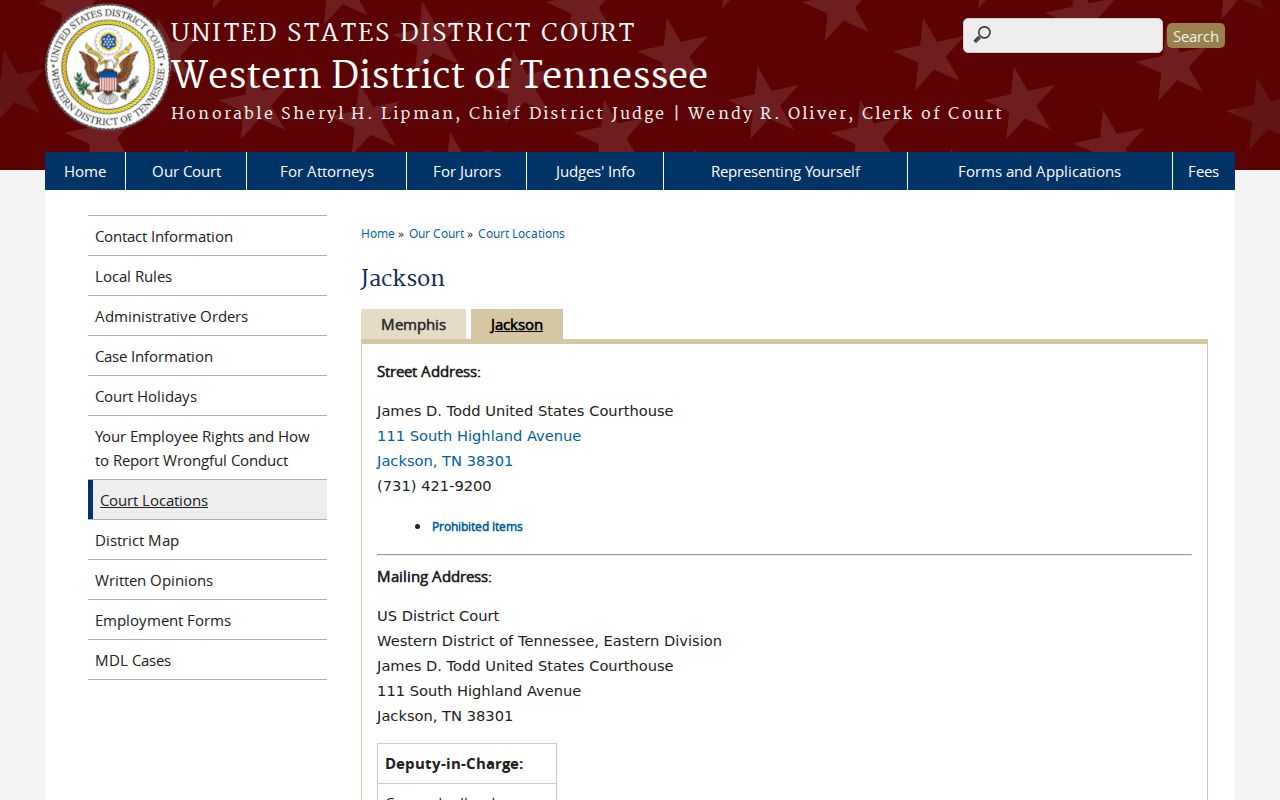
For a federal status question, rely on the federal clerk or counsel rather than a Henderson County or city search. The PACER pricing page explains its docket-document fees.
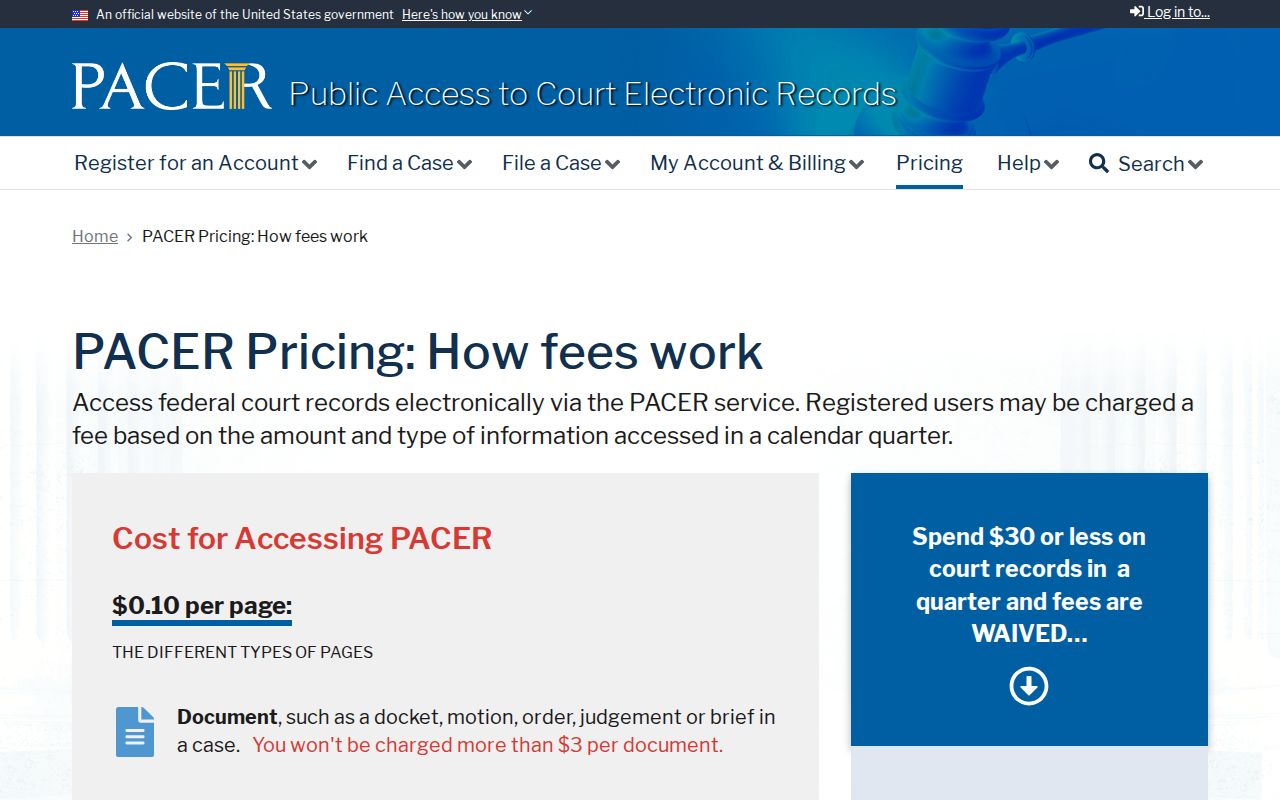
PACER provides docket access, not a guarantee that a sealed warrant will be visible.
Arrest Warrant vs Summons vs Bench Warrant
An arrest warrant directs an officer to arrest. A summons orders a person to appear without that arrest command. A bench warrant is court process after a missed setting or another obligation in an existing case. Before acting, ask the Henderson County clerk which document was issued.
| Feature | Arrest Warrant | Summons | Bench Warrant |
|---|---|---|---|
| What it orders | Arrest and appearance before a magistrate | Appear at a stated time | Arrest after a court obligation |
| Basis | Complaint and probable cause | Rule 4 permits a summons in covered cases | Missed setting or noncompliance |
| Who issues it | Judge or magistrate | Court process under rule | Judge in the existing case |
| First question | Confirm court, bond, and appearance | Confirm date and place | Ask about recall or a new setting |
Henderson County Return and Update
The AOC form gives the officer return fields, such as executed or not found, date, and officer. A "not found" return does not mean the court withdrew the warrant. After any court action, keep the signed order or receipt. Then ask whether the Sheriff and any city police received the update. For the related missed-date process, see Henderson County bench warrants; that court still controls recall and the next appearance.
What to Do If You Have a Warrant
Ask which court issued it, whether the process remains active, what bond or no-bond term applies, and where the first appearance will occur. Then ask counsel or the court how to arrange a planned surrender, bond, or a motion to recall or quash. Henderson County publishes no universal walk-in procedure or bond chart. The court itself sets the terms.
Important: Speak with a Tennessee lawyer or the issuing court before appearing. Keep any order that confirms the court’s action.